With the entry into force of EU F-Gas III, requirements are becoming more stringent: more frequent leak checks, mandatory installation of detection systems for certain refrigerant charges, and increased responsibility for operators. The EN 378 standard reiterates that leak control is inseparable from the safety of people and property.
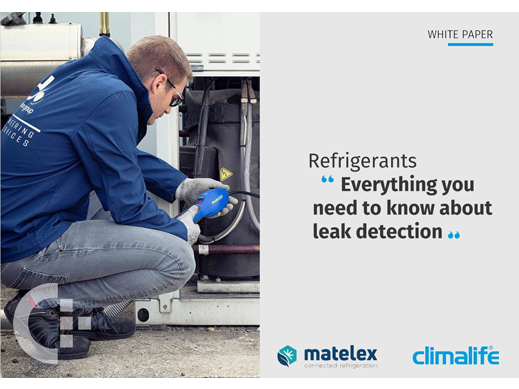
This white paper is a practical guide for anyone wishing to set up a genuine leak detection programme. It addresses the challenges, methods, regulatory framework and best practices to help professionals today.
Who is it for?
This guide is intended for design offices, field technicians, operations managers and decision-makers alike. It offers a comprehensive overview of best practices, technical choices and regulatory requirements.
You will find:
- A clear explanation of the consequences of leak on energy performance, operating costs, installation stability and environmental impact.
- An analysis of the different detection methods: fixed room controllers, portable detectors, visual or foaming solutions, indirect analysis systems and monitoring of operating parameters.
- A guide to select room controllers.
- A section dedicated to regulatory compliance, to facilitate understanding and implementation pf obligations: focus on EU F-Gas III, frequency of checks and means of compliance.
- A practical method and tools: where to install your detector, detection frequency, digital tools to support you, and inserts to confirm compliance with EN 378.
Discover the White Paper now